Himalayan Nettle. Woven By The Himalayas.

Stories of wild fibre, rare craft and the hands that turn nature into form.
Before it becomes clothing, it grows freely.
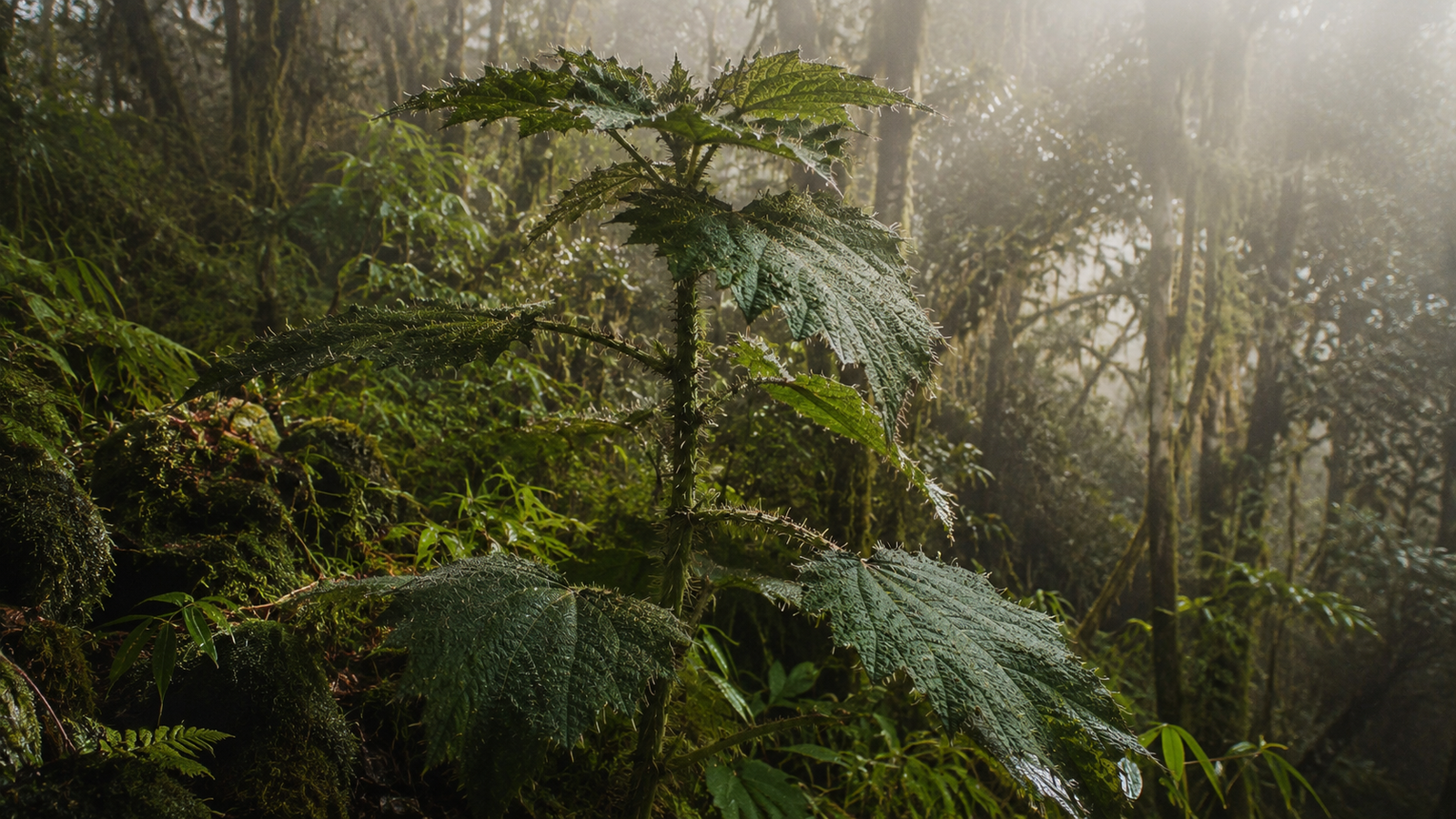
Himalayan nettle begins in the highland forests of Nepal, shaped by mountain rain, changing seasons and the knowledge of those who have worked with it for generations.
The Loomaama Journal follows this journey.
From the wild plant to the spun thread. From the village loom to the finished garment. From the hands that preserve the craft to the people who choose to carry it forward.
These are not stories about fashion moving faster.
They are stories about what remains.
Discover the World Behind the Cloth
The Wild Fibre
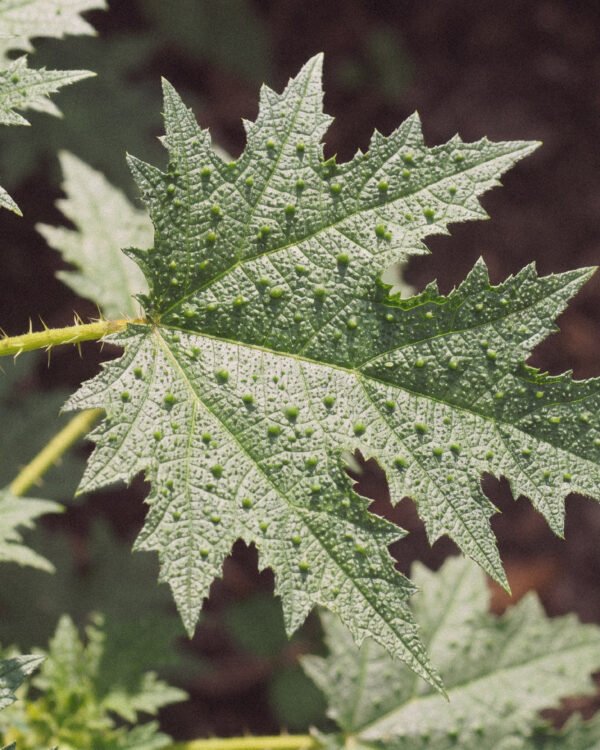
Himalayan nettle, known locally as Allo, grows where few commercial fibres can.
Discover its origins, its natural character and the long process that transforms a mountain plant into cloth.
The Hands
Every thread passes through someone’s hands.
Meet the artisans whose knowledge has moved quietly through families, villages and generations.
The Making
Nothing here begins on a production line.
Follow the preparation, spinning, weaving and finishing that give each Loomaama piece its form.
The Wearing
Natural clothing does not remain untouched.
It softens, settles and becomes more personal with time. Learn how to wear, wash, store and care for Himalayan nettle clothing.
The Questions
What does fair pay truly look like?
What should responsible production reveal?
What happens when traditional craft enters the modern world?
These stories look beyond the finished garment.
The Story of the Season
Before There Was Fabric, There Was a Forest
High in the Himalayas, nettle grows without permission.
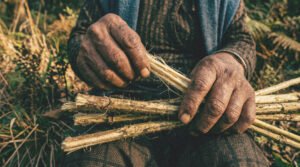
It does not wait to be planted in ordered rows. It appears between rain, soil and stone, carrying within its stalk a fibre that has served mountain communities for generations.
Turning it into cloth is neither quick nor simple.
The stalk must be gathered. The fibre must be separated. It must be cleaned, dried, spun and woven. At every stage, the material depends on human judgement.
The finished garment carries the forest within it.
It also carries every hand that refused to rush it.