

01
Naturally Growing
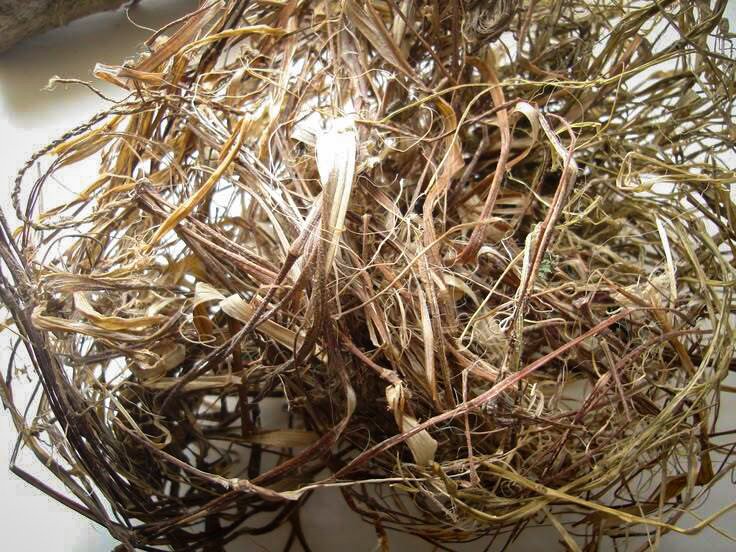
Himalayan nettle, known locally as allo, grows naturally in Nepal's Himalayan landscape, nourished by rainfall.
Before cloth, there is a plant. Before form, there is fibre. Allo begins in the landscape and reaches the garment through skilled hands.
From plant to cloth, each stage is shaped by material knowledge and skilled hands.

Gathering, preparation, yarn making and handweaving each contribute to the finished piece.
Himalayan nettle, known locally as allo, grows naturally in Nepal's Himalayan landscape, nourished by rainfall.
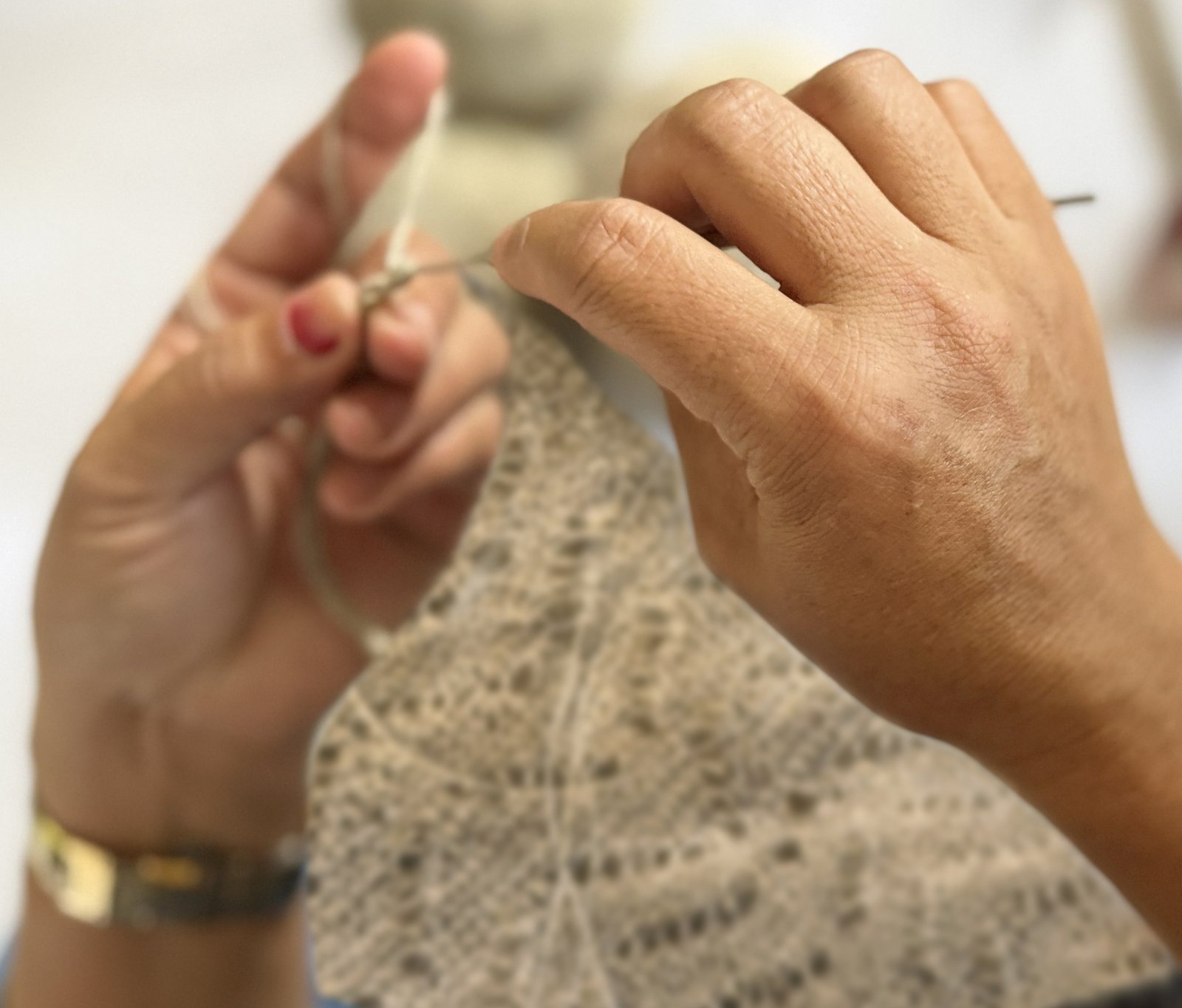
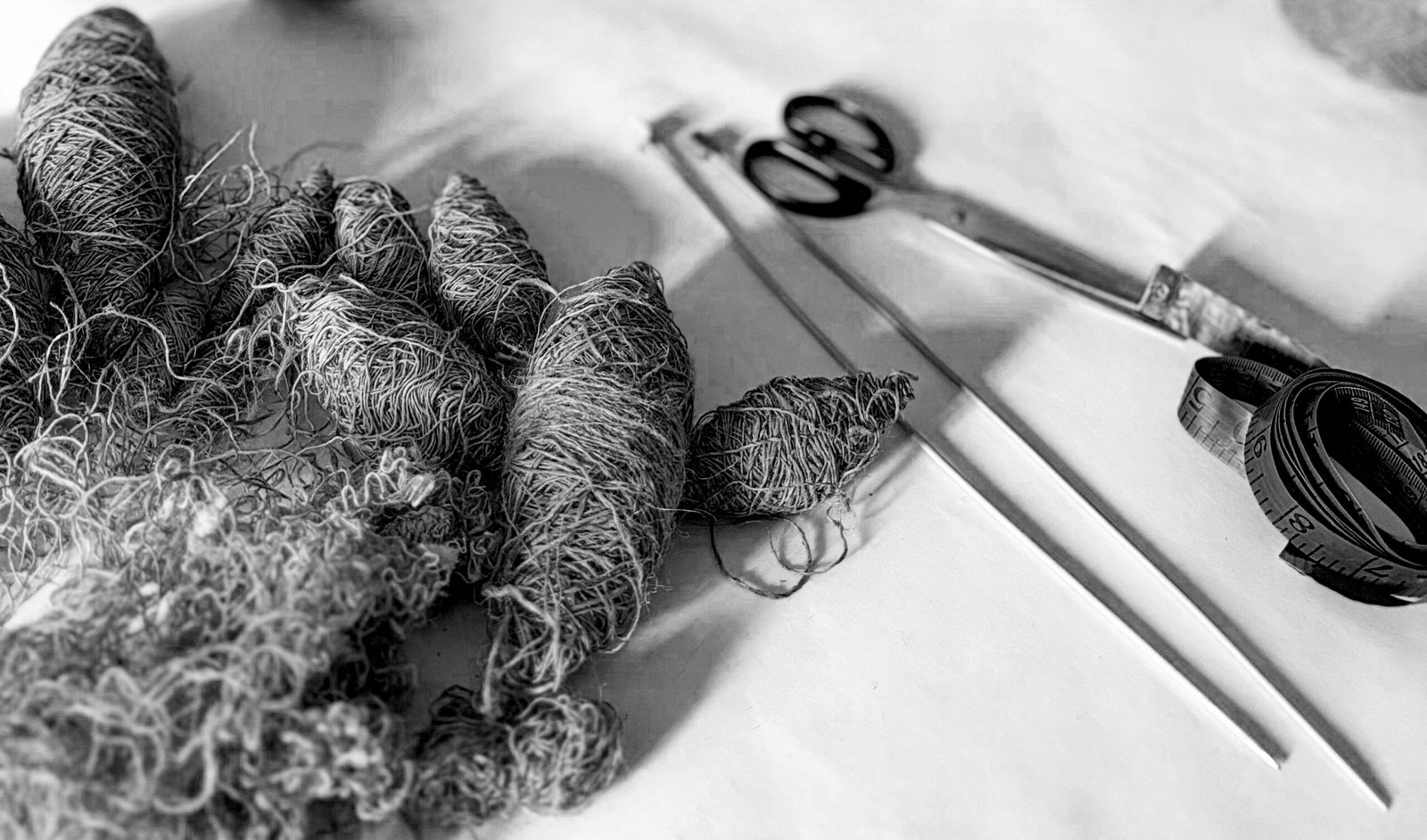
The fibres are prepared and hand-spun into yarn, then hand-knitted into Loomaama pieces by artisans drawing on generations of textile knowledge.
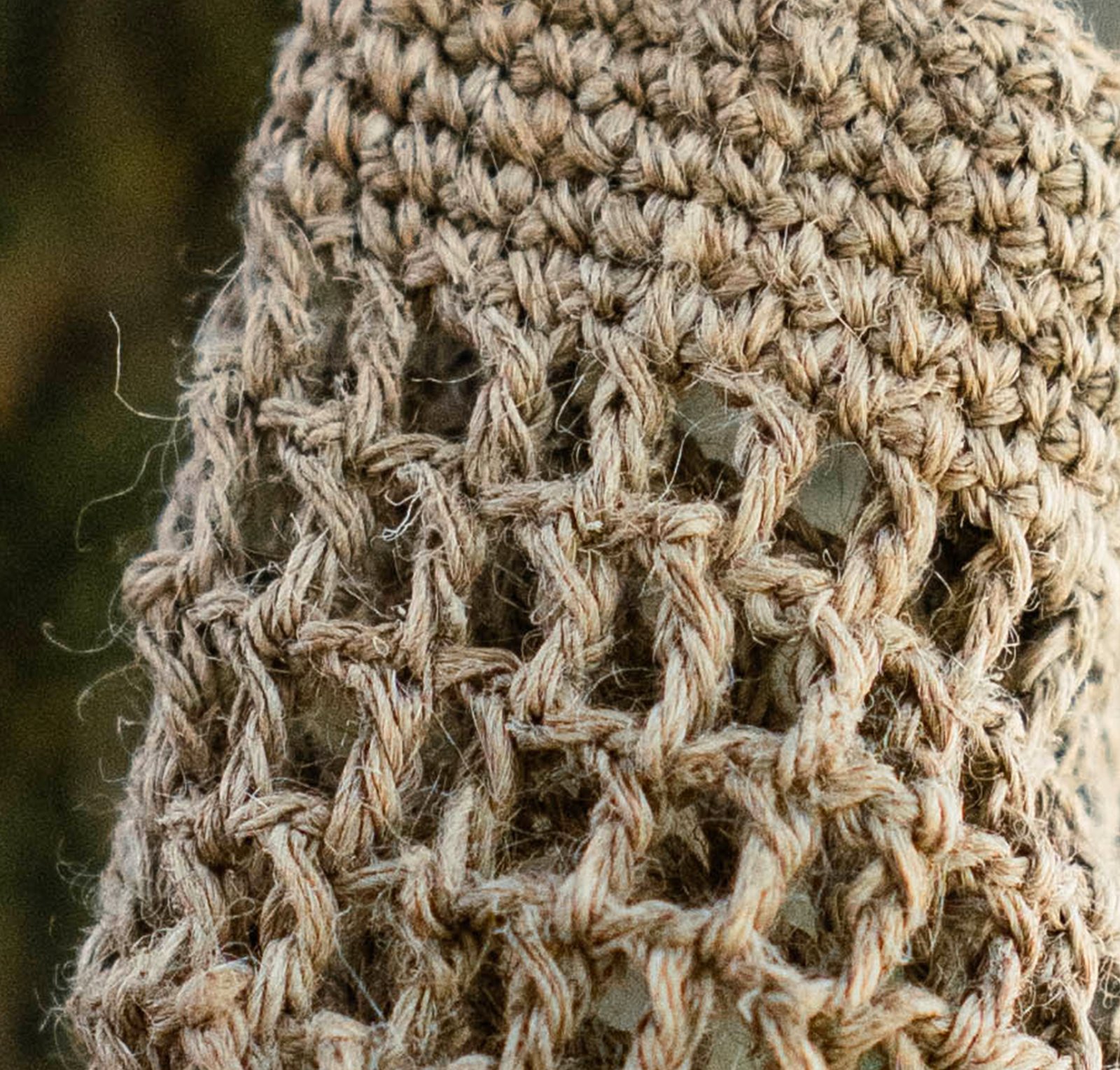
Distinctively crisp and textured, with subtle variations in the yarn that give each piece its own character.

Gentle care helps preserve the fibre's distinctive texture and the beauty of each piece over time.
Created with the intention of being worn, cared for and kept for years to come.

Not every fibre feels the same, and Allo was never meant to. This rare plant has a distinctive texture and a natural strength that set it apart from conventional fabrics.
Its subtle irregularities are not flaws, but part of what makes the material unique. With no synthetic blends or added fibres, nothing is used to disguise its original character. Just Allo, with all the qualities that make it remarkable.
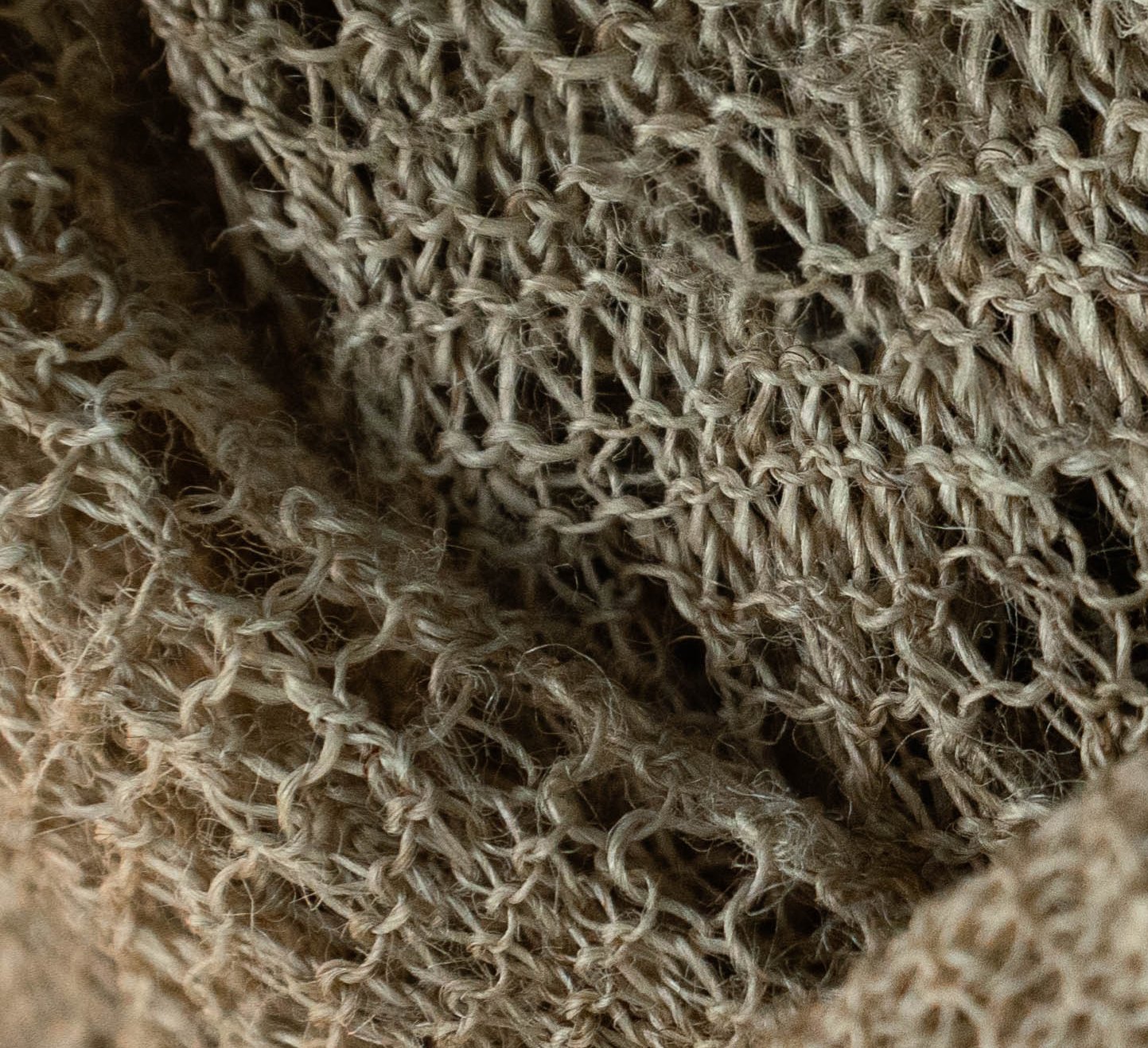
Himalayan nettle has a natural ability to absorb moisture, a quality of the fibre used in Loomaama's hand-knitted pieces.
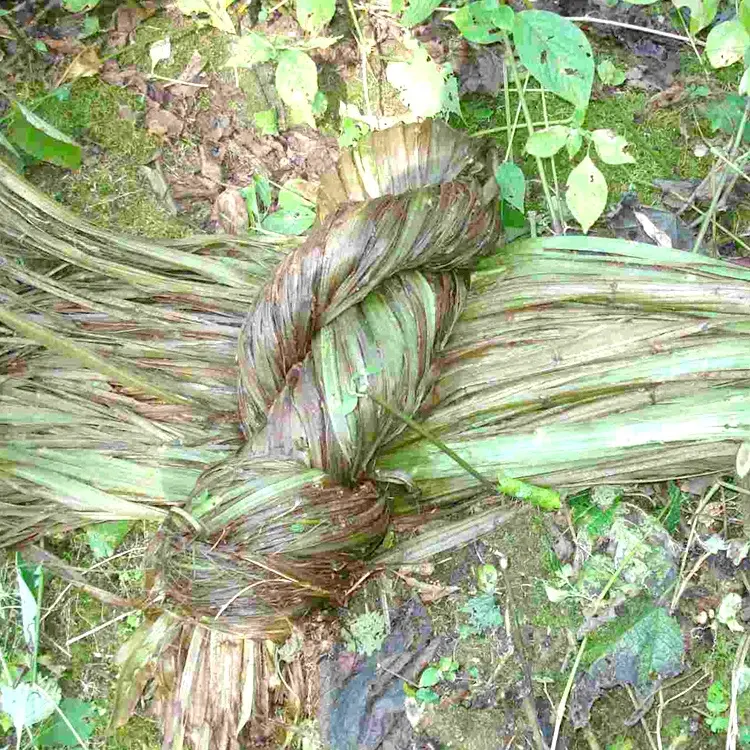
Known for its high fibre strength, Himalayan nettle forms the foundation of Loomaama's hand-knitted pieces.

Himalayan nettle has its own natural tones, influenced by the harvesting and fibre preparation.
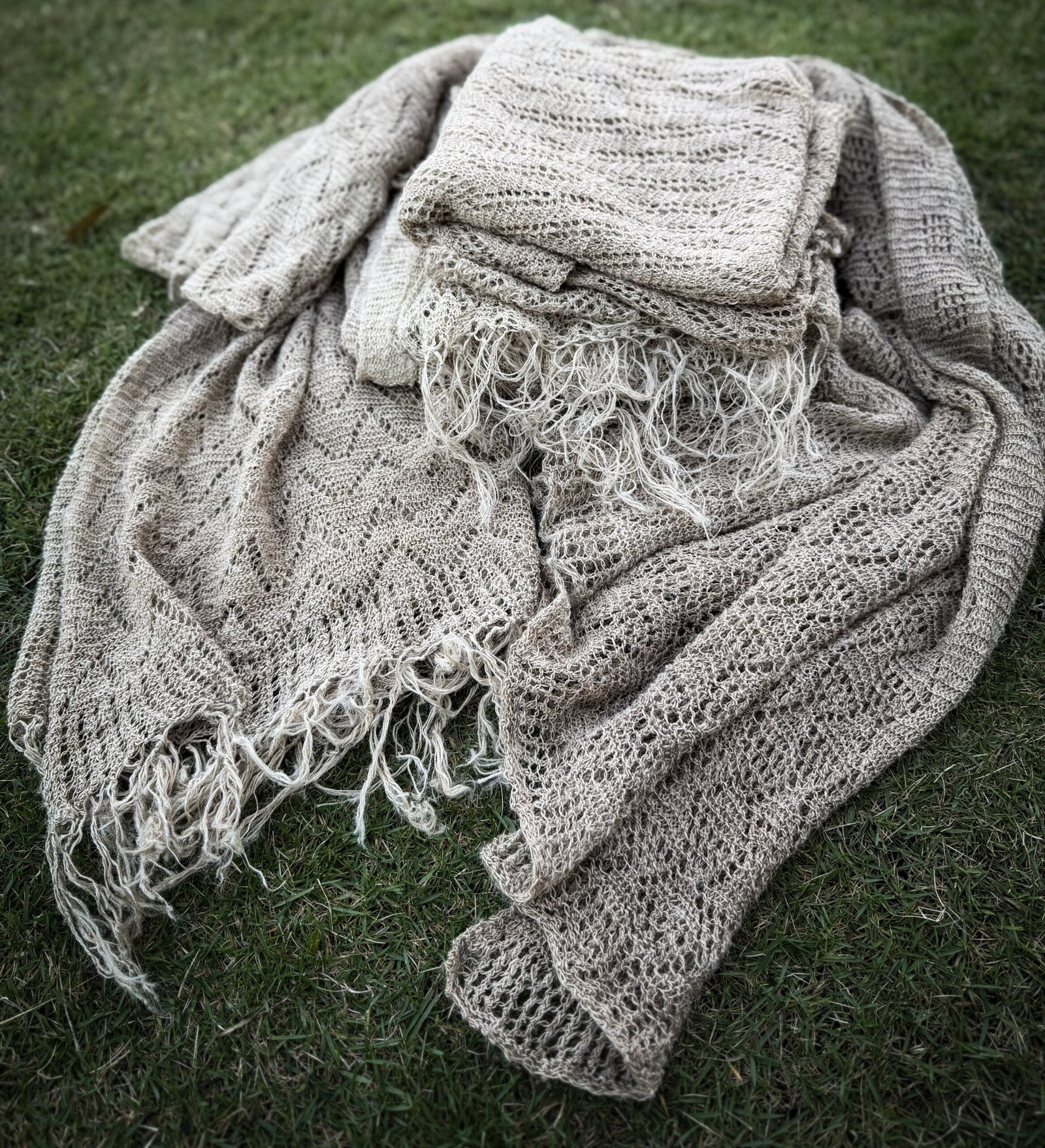
Less familiar in contemporary fashion, Himalayan nettle carries a long tradition of textile making in Nepal, brought into a new expression through Loomaama.
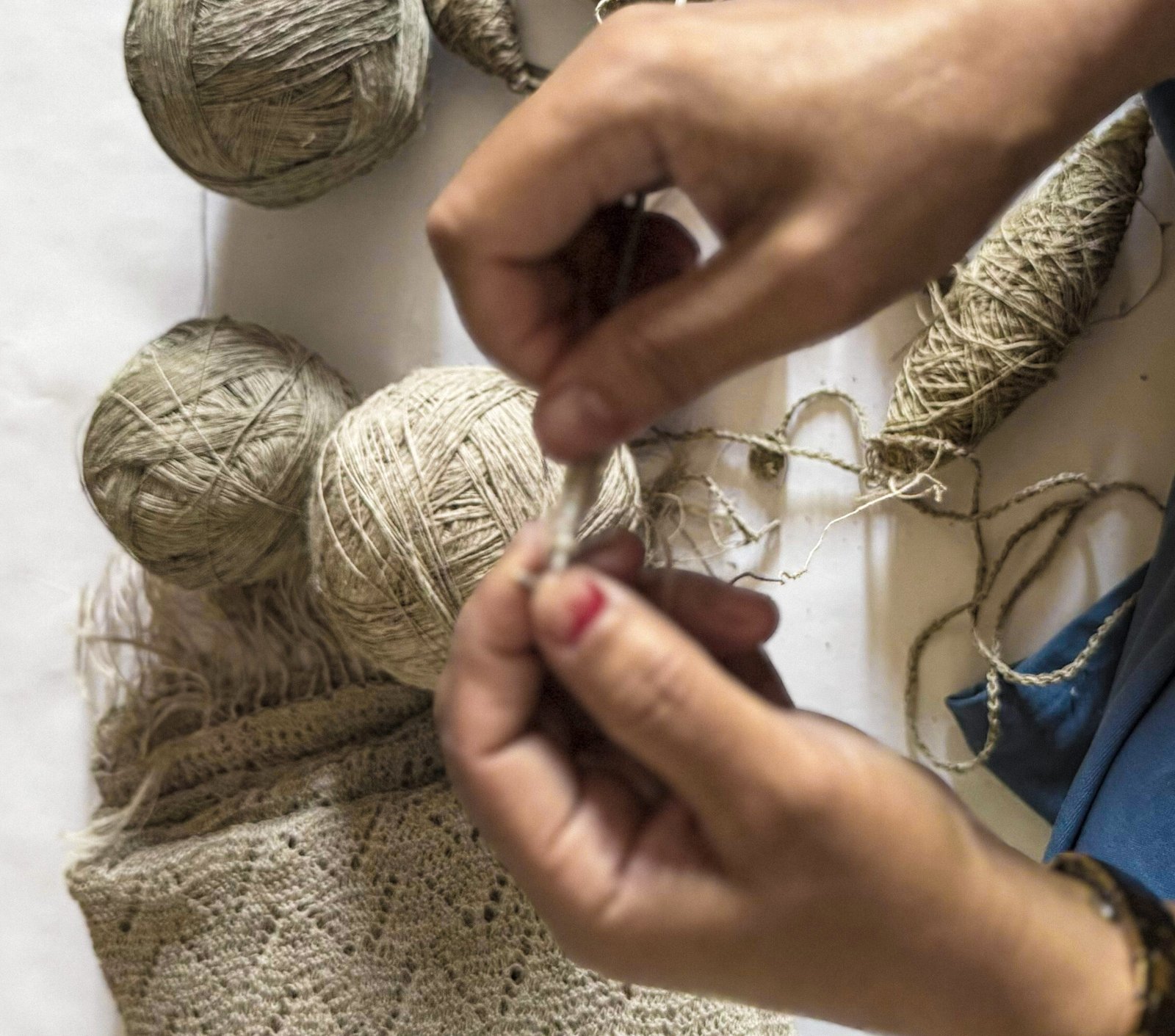
Naturally breathable and moisture-absorbing, Loomaama's 100% nettle pieces contain no synthetic fibre blends.

Our Himalayan nettle grows naturally in Nepal, nourished by rainfall without cultivated irrigation.
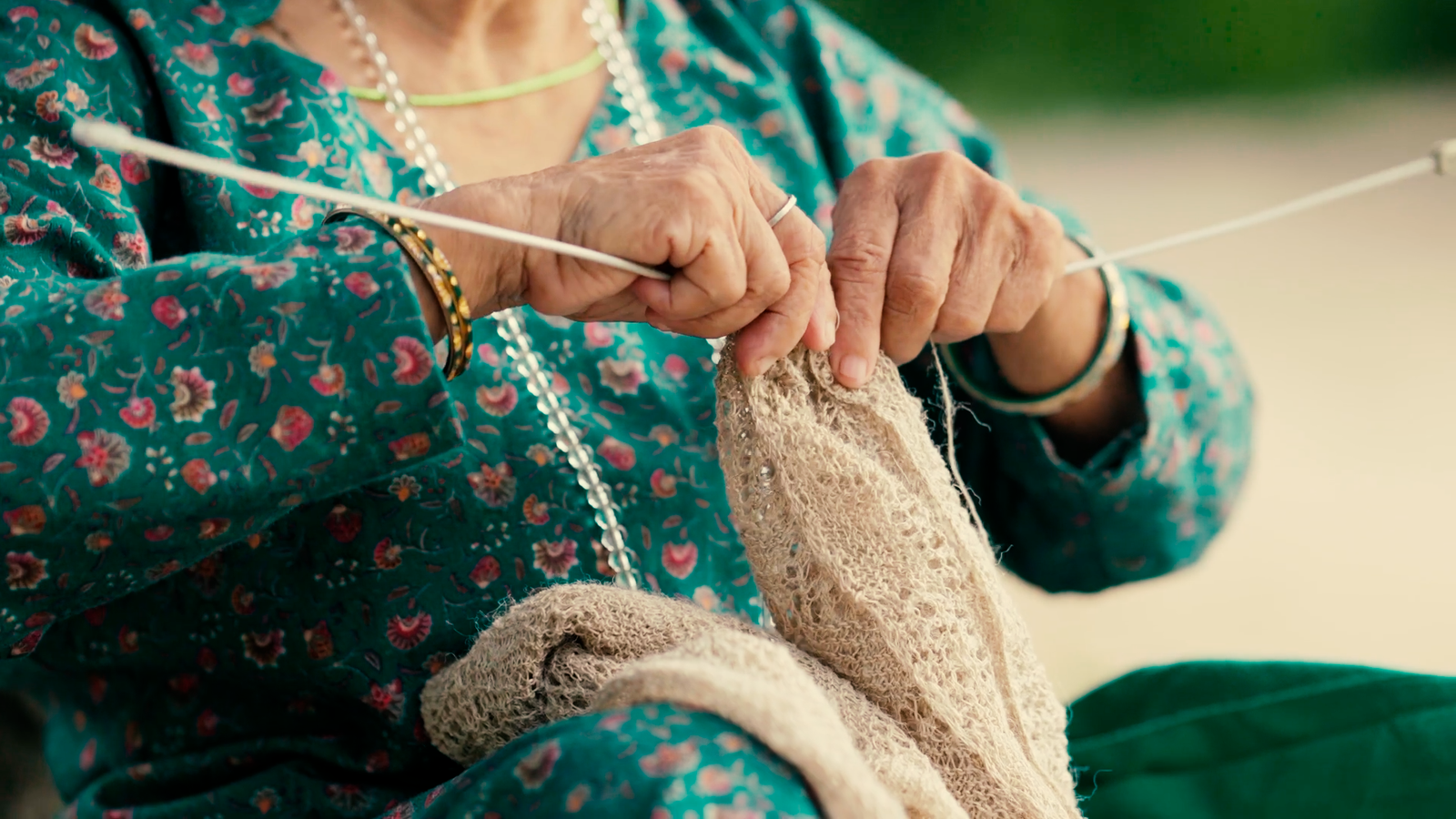
We value the skills of our makers and work towards greater recognition and better livelihoods.
