Handwoven vs Machine-Woven Fabric: The Difference Is in the Hands

Seven differences that change how we understand the clothes we wear.
Two garments can look remarkably similar.
The same colour. A similar silhouette. Even an almost identical textile pattern.
But look closer, examine their construction and understand the processes behind their making, and a different story begins to emerge.
One fabric may have been produced using industrial weaving machinery. Another may have taken shape, thread by thread, on a hand-operated loom.
Both are woven. Both can be beautifully constructed. Yet the ways in which they are made reveal important differences in production, craftsmanship, texture and character.
The fundamental difference between handwoven and machine-woven fabric lies in how the weaving process is carried out. Handwoven textiles are created on manually operated looms, where the weaver controls the interlacing of yarns. Machine-woven textiles use mechanised looms to carry out the weaving process.
Neither method automatically produces a better fabric.
But understanding the difference helps us look beyond appearance and recognise the work behind the clothes we wear.
Handwoven vs Machine-Woven Fabric: A Quick Comparison
| Feature | Handwoven Fabric | Machine-Woven Fabric |
|---|---|---|
| Production | Created using a manually operated loom | Produced using mechanised weaving equipment |
| Speed | Generally slower | Typically faster |
| Texture | May show subtle variations in yarn spacing and tension | Often produces highly consistent surfaces |
| Craftsmanship | Direct manual involvement during weaving | Technical expertise in design, operation and finishing |
| Design | Allows direct adjustments by the weaver | Can reproduce complex patterns at scale |
| Cost | Often involves higher labour per metre | Can reduce production labour per metre |
| Durability | Depends on yarn, weave and finishing | Depends on yarn, weave and finishing |
| Individuality | May display subtle differences between pieces | Generally more repeatable in large production runs |
The distinction is not simply between tradition and technology. It is between different ways of transforming yarn into cloth.
01. The Process: Human Hands vs Mechanical Precision
Every woven fabric begins with two directions of yarn. What changes is how they come together.
Weaving creates fabric by interlacing two sets of yarns.
The lengthwise yarns are known as the warp. The crosswise yarns are the weft.
Together, they form the structure of the textile.
In handweaving, a skilled weaver operates the loom, managing the movement of yarns and the formation of the fabric.
The process requires attention to tension, alignment, pattern and consistency.
Machine weaving follows the same structural principle, but mechanical systems perform much of the repeated movement.
Modern weaving equipment can produce complex patterns with remarkable efficiency and precision.
The difference does not mean that machine-woven textiles are without craftsmanship.
Designing, configuring and operating weaving machinery also requires knowledge.
What distinguishes handweaving is the weaver’s direct involvement in the production of the fabric itself.
02. Texture: The Character of the Surface
Look closer. The surface tells a story.
Texture is one of the most expressive qualities of a textile.
It influences how light meets the fabric, how the material drapes and how a garment feels against the body.
Handwoven fabrics may reveal subtle variations in yarn placement, tension and surface appearance.
These characteristics can become especially noticeable when working with naturally textured yarns.
Machine-woven fabrics often achieve greater consistency across larger quantities of material.
However, machinery can also create textured surfaces, intricate structures and deliberately irregular effects.
Neither production method has exclusive ownership of beautiful texture.
What matters is the relationship between the fibre, the yarn and the weave.
A loosely woven fabric may have a more open structure, while a dense weave can create a firmer surface.
The character of the cloth begins with these decisions.
03. Time: What Goes Into Making Cloth
Not everything valuable is made quickly.
Handweaving requires sustained attention throughout the production process.
Before weaving begins, the loom must be prepared, the yarns arranged and the intended structure established.
As the fabric develops, the weaver manages its progression and responds to the demands of the material and design.
The time required depends on the yarn, weave structure, width, length and complexity of the textile.
Industrial weaving machinery can produce fabric much faster, particularly when used for repeated production.
Yet production speed is only one aspect of making.
Design development, preparation, finishing and quality checks all contribute to the finished textile.
A handwoven fabric carries the direct labour of its maker.
Its value should be understood through that work, alongside the material and quality of the finished piece.
04. Individuality: Why No Two Pieces May Be Exactly Alike
Uniformity is a choice. Individuality can be part of the process.
Two handwoven textiles made using the same yarns and pattern may not appear perfectly identical.
Subtle differences in tension, yarn spacing or surface character can emerge during weaving.
These variations may contribute to the individuality of the finished cloth.
But individuality should never become an excuse for poor workmanship.
Broken yarns, unstable construction, significant measurement errors or improperly finished edges are not automatically desirable characteristics of handmade production.
A well-made handwoven textile should maintain the integrity of its intended structure.
The beauty of human craftsmanship lies not in the absence of standards, but in the skill required to achieve them.
Natural variation and careful finishing can exist together.
05. Construction: How to Recognise Quality Handwoven Fabric
The details that matter most are often the ones we overlook.
Whether a textile is handwoven or machine-woven, its construction deserves careful attention.
When assessing woven fabric or clothing, consider the following:
- Yarn quality: Examine whether the yarn is suitable for the intended garment.
- Weave consistency: Look for unintended gaps, broken yarns or unstable areas.
- Fabric structure: Consider how the material maintains its shape during handling.
- Edges and seams: Check whether the garment is securely and carefully finished.
- Drape: Observe how the fabric moves and responds when worn.
- Dimensions: Compare the garment’s actual measurements with its description.
- Fibre composition: Understand the material and any blends used.
A beautifully photographed garment should also be thoughtfully constructed.
The strongest indication of quality is not simply whether fabric was woven by hand or machine.
It is how well the material, construction and finishing work together.
06. Price: Why Is Handwoven Fabric Often More Expensive?
A price tag tells you the cost. It does not explain the making.
Handwoven textiles often require more direct labour time than machine-woven equivalents.
Preparing the loom, working through the weaving process and completing the fabric can involve substantial manual effort.
The final price also depends on material selection, design complexity, preparation, finishing, production scale and distribution.
Machine weaving can reduce production costs per metre, particularly when producing larger quantities.
But machine-woven fabrics can also be expensive.
Specialised fibres, complex patterns, technical development and high-quality finishing all influence value.
Rather than assuming that one production method always justifies a higher price, consider what contributes to the finished garment.
What fibre has been used?
How was the textile made?
What skill was required?
How carefully has it been finished?
And what is known about the people involved?
The most meaningful purchase begins with understanding.
07. Longevity: Does Handwoven Fabric Last Longer?
The way something is made matters. So does the way it is worn.
It is tempting to assume that handwoven clothing is always more durable than machine-woven clothing.
The reality is more nuanced.
A fabric’s longevity depends on several factors, including fibre characteristics, yarn construction, weave density, finishing, use and care.
A tightly constructed handwoven textile may perform differently from a lightweight, open-weave piece.
The same is true of machine-woven fabrics.
Neither method alone determines how long a garment will last.
A carefully made piece, used appropriately and cared for according to its material and construction, can remain part of a wardrobe for years.
For open-weave clothing, additional attention may be needed around jewellery, rough surfaces and accessories that could catch the yarn.
Durability begins with understanding the particular garment.
How Can You Tell If Fabric Is Really Handwoven?
Appearance alone is not always a reliable way to identify handwoven fabric.
Skilled weavers can create highly consistent textiles, while industrial machinery can reproduce complex textures and irregular-looking patterns.
Uneven yarn spacing or visible variations may offer clues, but they are not definitive proof.
A more reliable approach is to examine the production information.
Look for accurate descriptions of the weaving method, photographs of the actual process and credible details about the people or workshops involved.
It is also important to distinguish between handwoven, hand-finished and handmade, which do not necessarily describe the same production method.
Transparency about the process is more useful than assumptions based on appearance.
The Loomaama Perspective: Himalayan Nettle and Handweaving
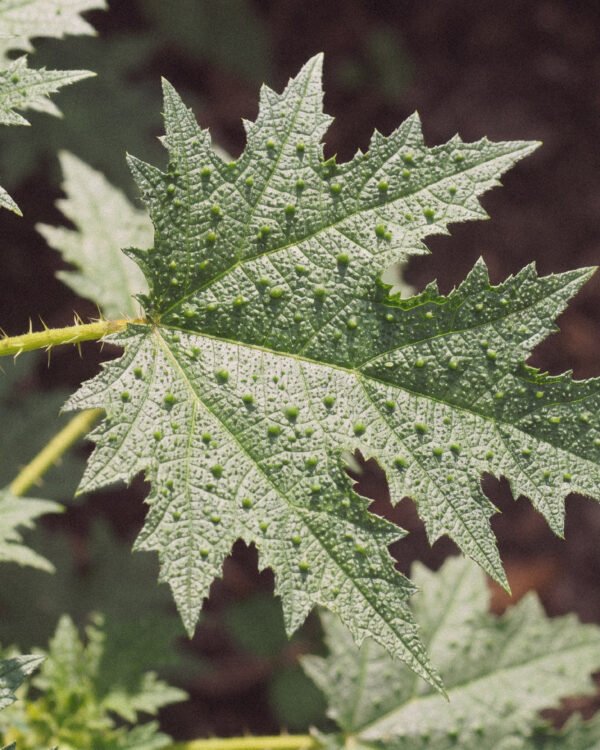
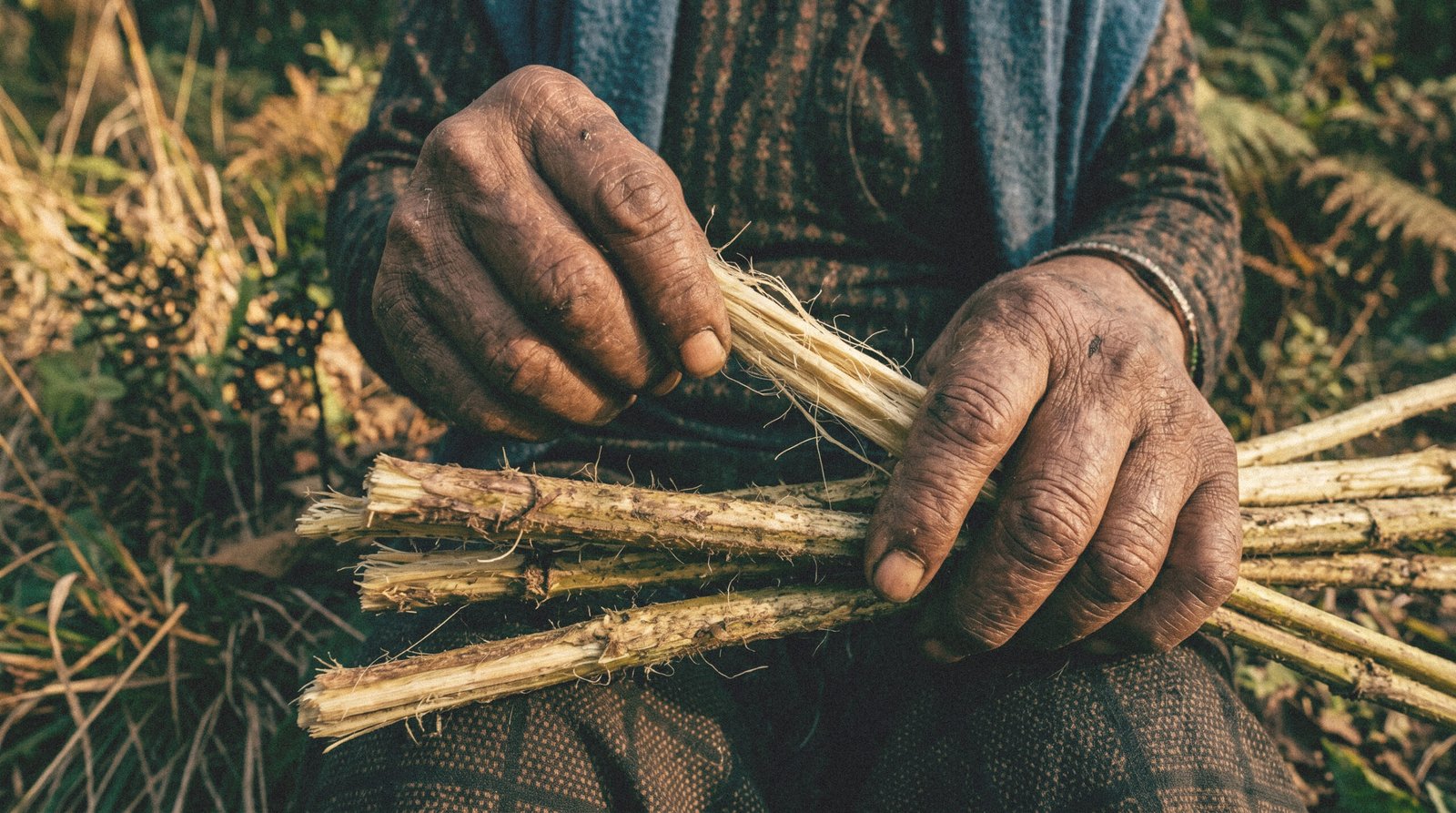
At Loomaama, Himalayan nettle offers a distinctive starting point.
Known in Nepal as Allo, this natural fibre has a history of traditional use long before its place in contemporary clothing.
Its character begins with the material itself.
Through handweaving, yarn becomes cloth, with its structure and texture shaped by the decisions of skilled makers.
A shawl becomes an exploration of width, drape and movement.
A dress brings together material, proportion and the relationship between fabric and body.
A simple top allows the texture of the textile to become part of its design.
In each case, the material and the skill involved in making contribute to the finished piece.
We value handweaving not because other methods lack merit, but because of the relationship it creates between material, maker and garment.
That relationship deserves to remain visible.
So do the people behind it.
Frequently Asked Questions
What is the difference between handwoven and machine-woven fabric?
Handwoven fabric is created using a manually operated loom, while machine-woven fabric is produced using mechanised weaving equipment. Both interlace warp and weft yarns to create cloth.
Is handwoven fabric better than machine-woven fabric?
Not necessarily. Both methods can produce high-quality textiles. Fibre quality, weave construction, finishing and intended use are important factors in evaluating a fabric.
Why is handwoven clothing often more expensive?
Handweaving typically requires more direct labour time. Fibre selection, textile complexity, garment construction and finishing also influence price.
How can you identify authentic handwoven fabric?
Look for accurate production information, documented weaving processes and credible maker attribution. Visible irregularities alone are not reliable proof.
Is handwoven fabric more durable?
Not automatically. Durability depends on the fibre, yarn structure, weave density, finishing and how the fabric is used and cared for.
Is handwoven the same as handmade?
Not exactly. Handwoven describes a specific method of producing fabric. Handmade is a broader term that can refer to several stages of textile or garment production.
Beyond Handwoven and Machine-Woven
A garment should never have to rely entirely on its method of production to justify its existence.
It should be considered in its material, carefully constructed and suited to the person who will wear it.
Handwoven and machine-woven textiles each have their own processes, possibilities and expressions of skill.
Understanding those differences gives us a more thoughtful way to choose clothing.
Not simply by the label.
Not merely by the price.
But by looking more closely at the work itself.
Because sometimes, the most important difference is in the hands.